Vision & Mission
The Story of Asian Cycling Confederation (ACC)
The story of the Asian Cycling Confederation (ACC) begins in 1962, when cycling leaders from across Asia came together to form the Asian Cycling Federation (ACF). It was established as a non-profit organization to bring together national cycling federations from the region and to promote the sport of cycling across Asia.
For several decades, the ACF provided a platform for collaboration among Asian countries, organizing competitions and coordinating with the international cycling community. However, as the sport evolved and international standards became more structured under the Union Cycliste Internationale (UCI), after the unification of International Amateur Cycling Federation (FIAC) & International Professional Cycling Federation (FICP), there was a need to formalize and strengthen the continental body for Asia.
In response to this, the organization underwent a significant change. On 31st March 1993, during a meeting held in Ipoh, Malaysia, the Asian Cycling Federation officially changed its name to the Asian Cycling Confederation (ACC). This rebranding reflected a more unified and organized approach, aligning with the model used by other continental confederations under the UCI.
Since then, the ACC has continued to grow and develop. It has played an active role in organizing the Asian Cycling Championships and supporting the development of the sport in member countries. It works closely with the UCI on athlete development, coaching, officiating, and the promotion of various cycling disciplines, including road, track, BMX, mountain biking, and para-cycling.
As of 2025, the ACC represents 45 national cycling federations across Asia. Its headquarters remains in Ipoh, Malaysia, where it continues to support the growth of cycling at both the elite and grassroots levels.
The ACC remains committed to its mission of strengthening cycling in Asia through cooperation, development programs, and international engagement.

Vision
“To develop and promote cycling across Asia by fostering unity, enhancing competitive standards, and supporting the growth of cycling as a sport and a means of sustainable transportation, in alignment with global cycling standards.”
The aims of the ACC are as follows:
To promote and develop the sports of cycling in all its forms and levels in Asia;
To assist the International Cycling Union (UCI) in controlling and regulating the sports of cycling in the Asian continent and to help solve differences that may arise between affiliated federations;
To organize and or to grant and award the organization of the Continental Cycling Championships, Mountain Bike Championships, Indoor Cycling Championships, Cycle-Cross Championships, BMX Championships or any other Asian level cycling activity to a member federation of ACC at the terms and conditions to be stipulated by the Management Committee of ACC;
To help the UCI in the technical supervision of cycling events in the Asian Cycling Championships, Asian Games and other Regional Events in Asia held in accordance with the Rules and Statutes of the International Olympic Committee(IOC) and the UCI;
The ACC is a non-profit and voluntary confederation composed of national cycling federations in Asia, which governs all cycling sport disciplines at all levels;
All national cycling federations duly accepted as members of the International Cycling Union (UCI) within the Asian region shall be eligible for membership, provided that only one federation from each country shall be admitted as a member;
To represent the sport of cycling and defend its interests before the International Cycling Union and all national cycling federations in Asia;
The constitution and regulations of the federation shall not run counter to both the Constitution and Regulations of the ACC and the UCI. In case of divergence, only the latter shall apply.
Since establishment of ACC in 1993, The ACC has been led by several notable presidents:
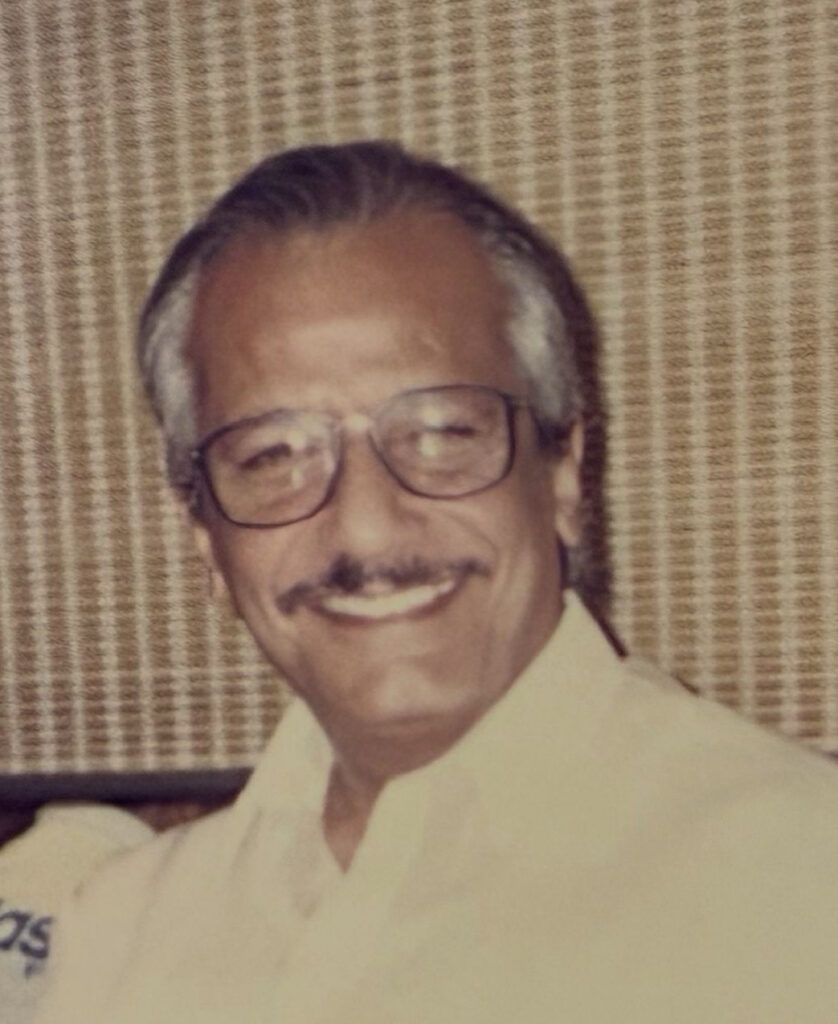
(1993–1996)
Dr. Khaled Al-Turki
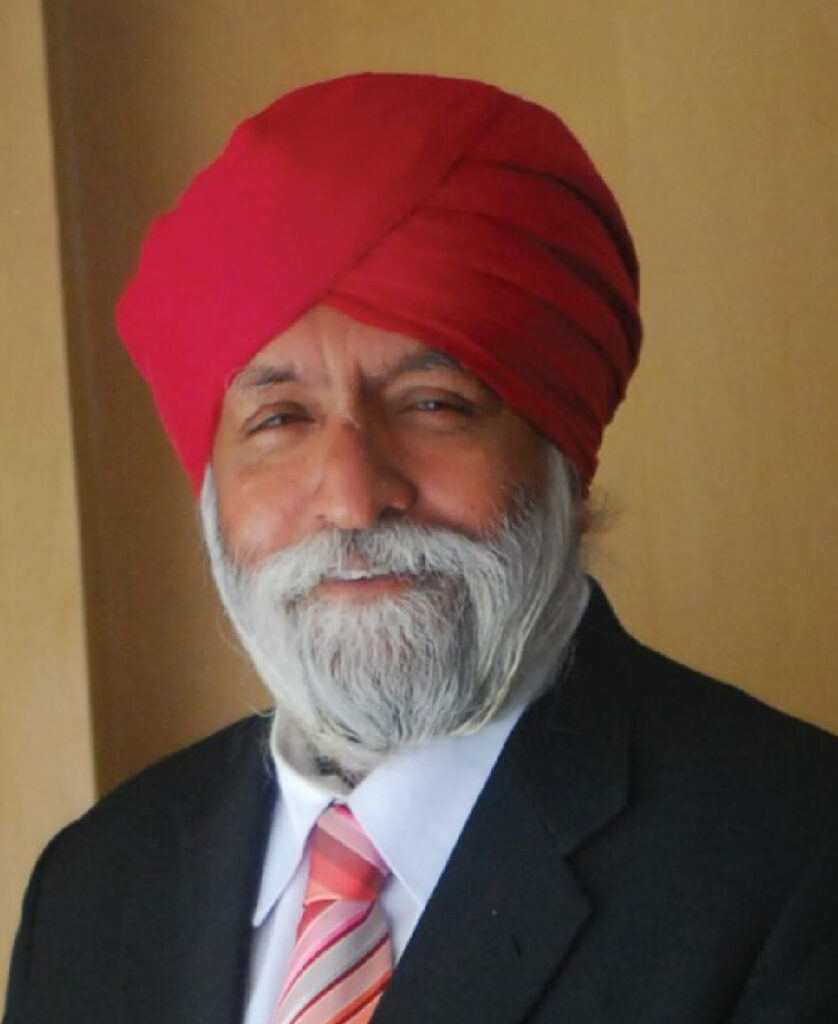
(1996–2005)
Tan Sri Dato' Seri Darshan Singh Gill

(2005–2017)
Cho Hee-wook
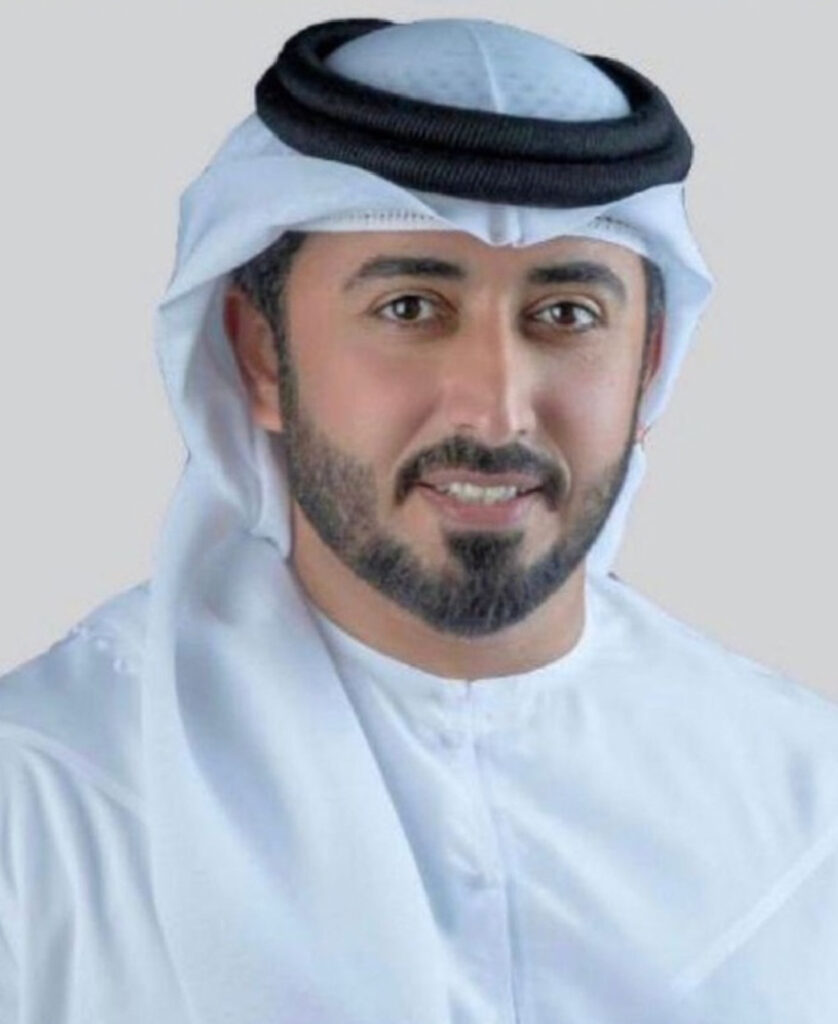
(2017–2025)
Osama Al-Shaafar